Skip to main content


Setting Powder vs. Finishing Powder: What's the Difference?
You wanted a powder to help your makeup look polished, but you ended up with a cake-like consistency that is reminiscent of the ’80s. What happened? You probably picked a heavy, powder-based foundation.
Instead, you needed a setting or finishing powder, but even narrowing down the powder makeup world to these two options requires a little finesse to learn how to use them properly. Setting powders and finishing powders are similar, but their slight variations mean you’ll need to know the difference to use them properly.
At RMS Beauty, we aim to educate you on the slightest nuances between products. We’ll talk about setting and finishing powders, whether you can use them interchangeably, and how to perfect your look with the powder of your choice.
What Is a Setting Powder?
What is setting powder? It’s a loose or pressed powder you apply after foundation and concealer to lock your makeup in place and control shine. Setting powder is made to “set” your makeup. Think of it like hairspray for your face. Once you’ve applied your makeup completely, the setting powder helps it stick.
Usually, a setting powder has ingredients that absorb oil, like talc and silica. This can help prevent makeup from sliding off if you have oily skin. Additionally, it will absorb oils from the products you’ve already applied, so if you use liquid foundation or cream-based blushes, the setting powder will be able to absorb some of those oils too.
Setting Powder Benefits
Setting powder can give your makeup real staying power if you find that it tends to do a disappearing act a few hours after application. Additionally, it can help you avoid rubbing your makeup off on tissues, your own hands, or shirt collars.
Drawbacks to Setting Powder
Setting powder usually provides a 100% matte finish. If you want a dewy, hydrated look, this powder won’t give it to you.
Additionally, if you have dry skin and are intentionally using hydrating, oil-based products, the setting powder may gobble up the nourishing oils. This can leave your skin dry and allow your makeup to settle into fine lines and wrinkles. If you love the staying power but not the dryness, a hydrating formula like our Hydra Setting Powder gives you hold without the parched feel.
Is setting powder necessary? Not for everyone. If your makeup lasts all day on its own or your skin runs dry, you can skip it or reach for a finishing powder instead. It’s most useful for oily skin, long days, and hot or humid weather.
What’s Inside
Setting powder works to keep your makeup in place because it’s usually loaded with drying ingredients, some of which aren’t completely safe for your skin and body.
Let’s talk talc and silica.
-
Silica. Silica is a naturally occurring mineral, the most common found in the earth’s crust. It has an EWG rating of 1-2 and is safe for use in naturally clean cosmetics. Silica is the most abundant component of sand and is especially good at gently removing excess oil.
If you’ve heard bad things about silica, it may be because it can become problematic in nano-particle form, which is why at RMS Beauty, nanos are always on the banned list.
-
Talc. Used for years in everything from baby bottom powder to fertilizers, we now know that there are serious dangers associated with the use of talc. It is incredibly drying, which isn’t good for even seriously oily skin types.
Talc is a carcinogen and irritant and is associated with organ toxicity. As such, you’ll never find talc in any RMS Beauty product.
You can get the same great oil-absorbing qualities from silica, so it’s unnecessary to include talc in a facial powder.
What Is a Finishing Powder?
What is finishing powder? It’s a finely milled powder applied as the very last step to blur, soften, and polish your makeup. A finishing powder is the Instagram filter of real life. Went a little too hard on your blush? Soften the edges with a finishing powder. Have a few particularly oily areas? Dab on some finishing powder.
Finishing powder also softens the look of fine lines and wrinkles because it is designed to sit on top of the skin, not settle in. Finishing powder also helps minimize the appearance of pores. If you find your foundation typically settles into pores and becomes noticeable, finishing powder to the rescue.
Benefits of Finishing Powder
If you crave an airbrushed, flawless finish, it’s finishing powder you want. Finishing powder helps your makeup look polished and professional without looking dusty or done-up. So what does finishing powder do, exactly? It blurs pores, softens fine lines and harsh edges, and reflects light so your skin looks smooth and naturally radiant.
Drawbacks of Finishing Powder
If you love a matte look, you might not get that with a finishing powder. Generally, these powders are formulated with light-reflecting mineral ingredients that help keep skin looking dewy and radiant.
Also, finishing powder isn’t created with as many oil-absorbing ingredients, so if you need a powder that’s going to soak up really heavy liquid makeup, this isn’t it.
What’s Inside
Many finishing powders contain silica for light reflection and oil absorption. Silica helps absorb the excess oil without creating a drought on your skin or leaving behind a powdery finish.
You’ll also find mica inside finishing powders, which add more light-reflective qualities and offer translucent pigmentation to finishing powders that are tinted.
Setting Powder vs. Finishing Powder: Differences and How to Use Each
When comparing setting powder vs finishing powder, the simplest way to think about it is this: setting powder is about staying power, while finishing powder is about how your skin looks. Here’s a quick side-by-side:
|
Setting Powder |
Finishing Powder |
|
|
Main job |
Locks makeup in place |
Blurs and polishes |
|
Finish |
Matte |
Soft, natural, luminous |
|
Oil control |
High |
Light |
|
When to apply |
After foundation and concealer |
As the very last step |
|
Best for |
Oily skin, long wear, humid weather |
Dry, normal, and mature skin |
Both setting and finishing powders are a lot alike, but setting powder is a bit more old-fashioned. Think of applying layer after buildable layer of liquid foundation that never seems to fully dry. A heavy dusting of powder and viola! Your makeup is baked in, with your skin completely covered and smothered in makeup for the remainder of your day.
Finishing powder allows your true skin to shine. Instead of covering up, it enhances. Instead of forcing your makeup to adhere to your skin, it allows your makeup to reflect light and draw out your natural radiance while simultaneously creating a flawless finish.
Setting powder focuses on making your makeup stay put; finishing powder also helps your makeup stay in place but focuses on making your makeup look polished. In the finishing powder vs setting powder decision, choose based on your skin type and the finish you want, not on which one sounds more advanced.
Fixing Powder vs. Setting Powder
If you’ve seen the term “fixing powder,” there’s no real difference. Fixing powder vs setting powder is simply a matter of naming: “fixing powder” is the term more common in the UK and Europe, while “setting powder” is used in the US. Both lock makeup in place.
Can They Be Used Interchangeably?
It depends on the formula. Typically a setting powder will be heavy and tinted in a shade that (might) match your skin tone. While some finishing powders are tinted, you can get the same level of flawless coverage with a great untinted powder.
It’s harder to use a setting powder as a finishing powder is harder because they aren’t designed to help blend your makeup and reflect light. A finishing powder is designed to do both.
Should You Use Both Types of Powder Together?
There’s really no need. One layer of powder is sufficient to keep your makeup in place and add a finished look to your skin. When you apply more than one powder, you’ll almost always get a cakey, powdery finish.
How to Use Setting Powder
Setting powder goes on after your liquid and cream products, and less is always more.
- Finish your foundation, concealer, and any cream blush or bronzer first.
- Tap a small amount of powder onto a puff or a fluffy brush and knock off the excess.
- Press it into the areas that get oily first, usually the T-zone and under the eyes.
- Lightly sweep any leftover product over the rest of your face only if you need it.
- Dust away any visible excess with a clean brush.
How Should I Use a Finishing Powder?
It’s easy to set your makeup, get a bit of oil control, and create a flawless finish with a finishing powder. First, start with the right formula.
-
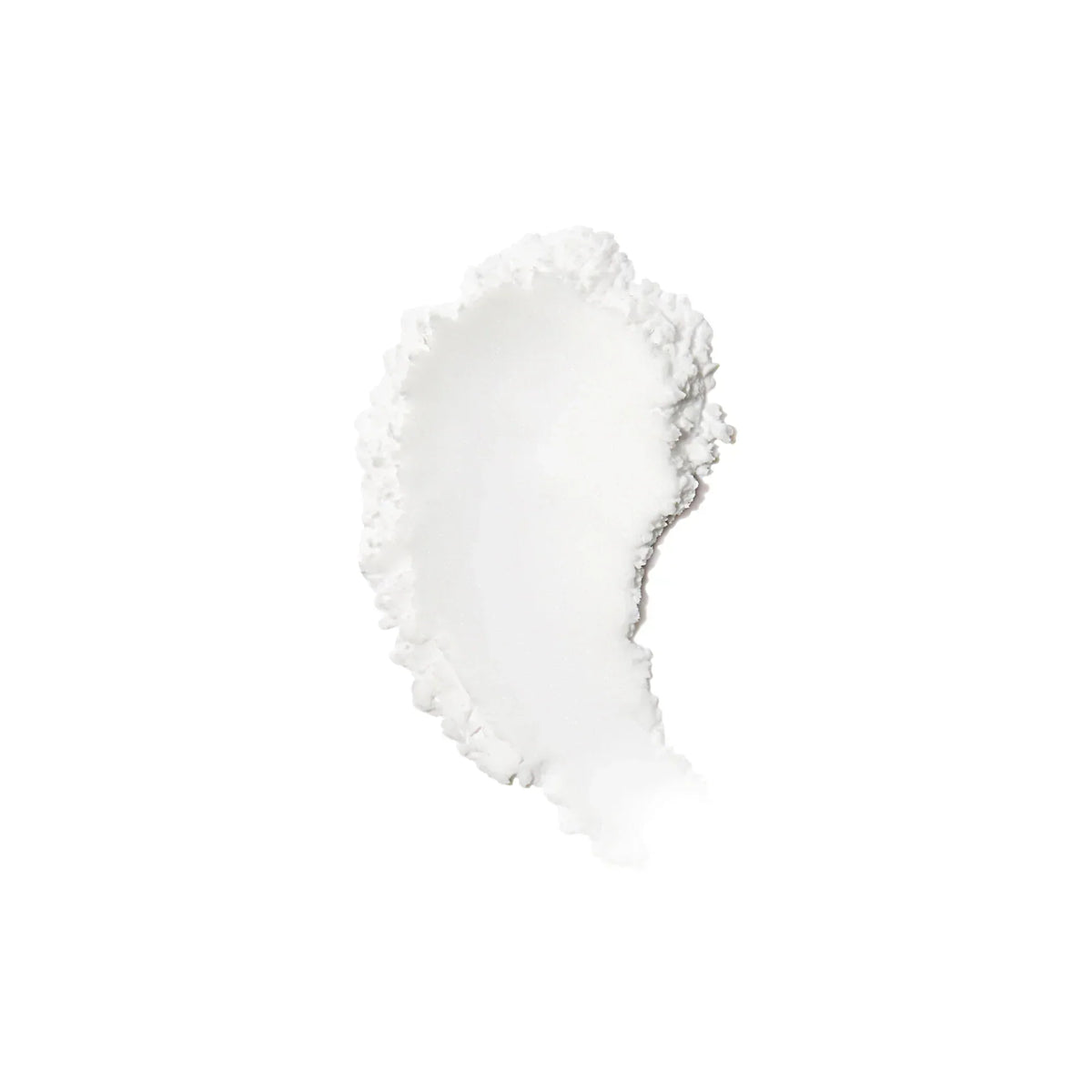
RMS Beauty “Un” Powder. Our weightless, natural powder absorbs excess sebum while creating a flawless, airbrushed look on your skin. Goes on easily and helps blend makeup without any white, powdery residue. Looks natural, never dusty, while reflecting light, minimizing pores, and setting makeup without adding layers of color or cakiness.
The right formula is your first step; the second step is using the right tools for the job.
Brush vs. Puff
It’s a classic debate, and if you’re a brush purist, no one is stopping you from grabbing your favorite powder brush to apply powder to your face.
However, using a puff is preferable because it gives you more control over where the powder lands on your skin and ensures you don’t get a massive dusting of powder all over your face, which isn’t necessary.
Where To Apply
In most cases, you’ll really only need to apply finishing powder to your t-zone, which tends to be the area with excess sebum. This zone starts with your forehead and extends like the letter “t” down your nose.
You can also place finishing powder under your eyes to attract reflective light and give the area a more luminous and bright finish. Of course, if you’ve gone too heavy on your blush or highlighter, a little finishing powder can tone it down and help smooth out obvious edges.
Process
Finishing powders are easy to use if you follow these steps.
-
Apply your regular facial makeup (all of it, including eye makeup and lip color) first.
Pro tip: If you’re concerned about your makeup lasting without a setting powder, apply a makeup primer first. Primers help give your makeup something to grip to, preventing it from being absorbed into your skin.
-
If you’re using a loose powder, tap a small amount onto the back of your clean hand. This keeps your powder supply clean and free from facial oils and other makeup.
- Using a puff, gently pick up some powder from the back of your hand and press it gently into your skin. Avoid wiping or dragging as this will only result in picking up foundation from your skin.
That’s it! Three simple steps to a flawless finish. Remember, you can always add more, but taking off excess powder is difficult, so go easy.
Conclusion
At RMS Beauty, we’ve been in the natural beauty business forever. We make it simple to get effective products you can trust to be the cleanest and greenest available. The result? Skin that looks natural, fresh, and effortlessly radiant.
Set in your ways about heavy setting powder? Relax. RMS Beauty’s “Un” Cover Up Powder makes the transition from setting powder to finishing powder easy.
Frequently Asked Questions
Can You Use Finishing Powder As Setting Powder?
Often, yes. If your skin isn’t very oily and your makeup is fairly light, a finishing powder that absorbs some oil, like our UnPowder, can set your makeup and polish it in one step. For very oily skin or heavier liquid foundation, a dedicated setting powder will hold up better throughout the day.
Can You Use Setting Powder And Finishing Powder Together?
You can, as long as you keep both layers light. Press setting powder only where you get oily, like the T-zone and under the eyes, then finish with a sheer veil of finishing powder to blur and smooth. Most people only need one, though, and using too much of both is the quickest way to a cakey finish.
Which is better, finishing powder or setting powder?
Neither is better overall. It depends on your skin and your day. Setting powder is the better pick for oily skin, long wear, and hot or humid weather. Finishing powder is better for dry, normal, or mature skin and for a soft, natural look. One tip for photos: some finishing powders can reflect a white cast under camera flash, so test yours before a big event.
What are the common mistakes when using setting powder?
The most common mistakes are:
- Using too much powder.
- Swiping instead of pressing, which moves your foundation.
- Powdering before your cream products, which makes them patchy.
- Putting powder on dry areas that don’t need it.
- Choosing a tinted shade that’s too light.
- Using a dirty puff.
Start with a tiny amount, press it in only where you need it, and build from there.
How long should I let setting powder sit on my face?
For everyday wear, you don’t need to let it sit at all. Press it in and dust away the excess right away. If you’re “baking,” most tutorials suggest leaving the powder on for five to ten minutes. On dry or mature skin, though, baking can look heavy and emphasize fine lines, so a light press usually looks more natural.
Which is better for mature skin: setting powder or setting spray?
For most mature skin, a setting spray is more flattering. It locks makeup in place without adding texture or settling into fine lines. Try our Radiance Lock Setting Mist. If you still need shine control, press a small amount of finely milled powder only on the T-zone, then mist over the top. For more ways to make makeup last, see our long-lasting makeup tips.
Sources:
What is SILICA, AMORPHOUS | EWG Skin Deep
How to control oily skin | AAD.org
Shop The Blog


Hydra Setting Powder


UnPowder