Skip to main content


Cream vs. Powder Blush: Pros, Cons & More
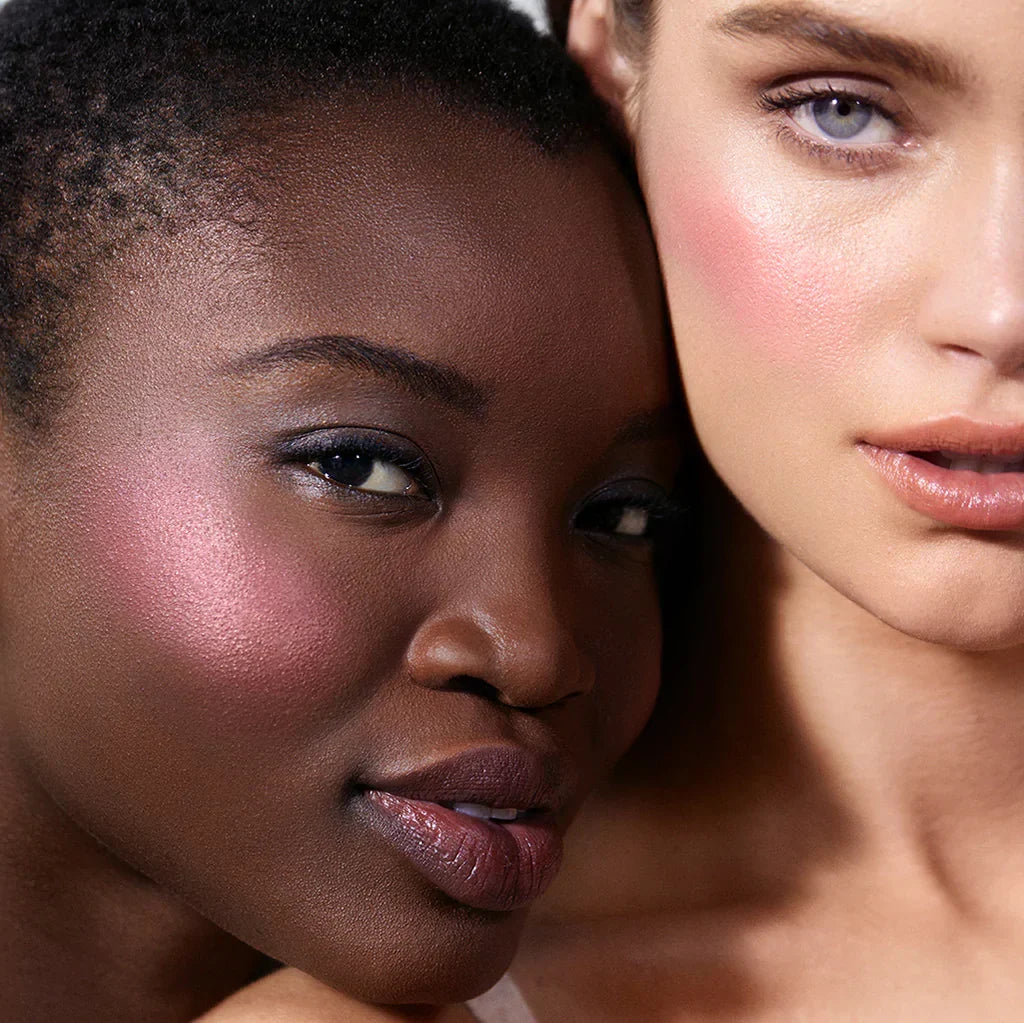
Whether you're debating cream or powder blush for your everyday look, the right choice depends on your skin type, the finish you want, and how much time you have. Here's your guide so that you can add effortless, natural rosiness to your face for healthy radiance.
At RMS Beauty, we love both formulas and can help you understand when to use one or the other. First, let's talk about your skin type and understand why some formulas may work better for your skin type than others.
Why Does Skin Type Matter for Blush Formula?
Skin usually falls into one of four skin type categories: normal, oily, dry, or combination. To find your skin type, wash your face with a mild cleanser and pat it dry. Don't apply any other products. Check the condition of your skin after 30 minutes.
- Normal skin. If your skin feels even, comfortable, and neither oily nor tight, you likely have normal skin.
- Oily skin. If, after 30 minutes, your skin feels slippery or greasy, you probably have oily skin. Your pores may be more visible, especially around your t-zone. Your skin may also be blemish-prone.
- Dry skin. Feeling like your skin is tight and itchy after 30 minutes can indicate your skin is dry. It may also peel or flake. Dry skin may also be prone to sensitivity.
- Combination skin. The most common skin type is combination skin. This means there are areas of your skin that are oily and some that are dry.
It's easy to assume that cream blushes work best for normal to dry skin and powder blushes work best for normal to oily skin, but that isn't always the case. When it comes to blush cream or powder, the formula's ingredients matter more than the format alone. Depending on the ingredients, both formulas can work for any skin type.
High-quality, food-grade ingredients are important for helping sustain your skin's radiance and helping your product last after application.
What Is the Purpose of Blush?
Before we discuss the differences between cream and powder blush, let's review what your blush is supposed to do.
Blush should add a flush of color to the apples of your cheeks that looks natural and effortless, never circular or angular. You can use blush to add a touch of radiant color where rosiness would appear naturally.
Cream Blush
Cream blush is exactly what it sounds like; blush that is cream-based, which means it usually contains oils or waxes. Don't be put off if you have oily skin; plant-based oils and waxes work well with virtually all skin types.
Cream blush is easy to blend with your fingertips and can leave a luminous color and dewy finish that looks ethereal.
Cream Blush Pros
Cream blushes are great for dry and sensitive skin types, but they also work well for people with oily skin if formulated with the right ingredients. Blush that contains jojoba oil, for instance, works well for all skin types.
Jojoba oil is the closest chemical structure to our skin's natural sebum, which means it's easily absorbed by the skin and can help support its natural moisture levels.
Cream Blush Cons
For sheer, natural looks, cream blush is the absolute go-to. However, cream blush can also be too light for some looks. It can be hard to get enough color from a cream blush, and layering may not be possible if the product moves too much on your face.
In addition, cream blush may not be the best option if you're going to be sweating or in a hot environment. Heat can cause the oils in the blush to melt and slide down your face.
One To Try
At RMS Beauty, our cream blush contains skincare-like ingredients, so it does double duty adding sheer color to your face and helping keep your skin healthy at the same time. RMS Beauty's Lip2Cheek is formulated with wildcrafted buriti oil and cocoa butter to ensure ultimate hydration.
This powerful product is great for both lips and cheeks and can even add a tiny kiss of color to the center of your eyelids. For more shine on your lips, top it with lip and cheek tint. Unlike other ultra-sheer cream blushes, our cream blush is richly pigmented, and a little goes a long way. Because it's buildable, you can add a little for a sheer finish or build the color for more drama.
What Should I Know About Powder Blush?
The blush you are probably most familiar with is powder blush. Finely milled and richly pigmented, powder blush usually comes in a compact and is applied with a large brush.
Powder Blush Pros
Powder blush is your solution if you're going for a dramatic look or simply want more color and control over blending. Applying it with the right tools is key, and unlike cream blush, it's almost impossible to apply a powder blush with your fingers.
Powder Blush Cons
Even though it's pretty simple to apply, a lot can go wrong with highly colorful powder blushes. Considering that you apply your blush after your face makeup, getting too much color on your cheeks can be disastrous.
It can also be challenging to find the perfect shade of powder blush. Unlike a cream blush, which absorbs into the skin and gives a luminous finish, powder blush sits on top of the skin and is naturally darker. If you pick the wrong color, it will likely be very noticeable.
One To Try
We took the hassle out of deciding between a cream and a powder blush by formulating our powder blush with jojoba oil and wildcrafted buriti oil. You get the same hydrating benefits and sheer finish you love about cream blush and the same richly-pigmented application you get with a powder.
RMS Beauty ReDimension Hydra Powder Blush is designed to be applied with a damp brush or sponge to help it easily absorb into the skin and leave behind a luminous finish that's velvety smooth and long-lasting.
Cream Blush vs. Powder Blush: Differences and Which to Choose
The cream blush vs. powder blush decision really comes down to three things: finish, longevity, and ease of application.
Cream blush blends into the skin for a dewy, lit-from-within finish that looks like a natural flush. It's fast to apply (fingertips are all you need), hydrating on dry or mature skin, and forgiving if you're not precise. The trade-off is that it can shift in heat or humidity and may not layer as cleanly over a full powder base.
Powder blush sits on top of the skin for more pigment control, stays put longer in warm conditions, and builds easily for a bolder look. The downside is that it can settle into texture, emphasize fine lines, and requires a brush for smooth application.
If you want both worlds, look for a hybrid formula. RMS Beauty ReDimension Hydra Powder Blush is infused with jojoba and buriti oils, so it presses like a powder but absorbs like a cream when applied with a damp brush - giving you the staying power of powder vs cream blush's natural finish in a single product.
What Are Tips and Tricks for Applying Blush?
Let's face it; a lot can go wrong when you're applying your blush. We've all been the victim of unfortunate blush application that results in large pink circles on the apples of our cheeks.
To apply blush perfectly, you just need to consider your facial structure and where you would naturally flush if you went for a jog or got embarrassed. Keep the color in those areas and blend outward. Adding your blush above the apples of your cheeks can even give you a lifted, supermodel-approved look!
For Mature Skin
If you're noticing fine lines, wrinkles, or signs of aging on your face, blush can be very flattering! Applying blush to the apples of your cheeks is standard, but for mature skin, you can use blush to get a great, lifted look by applying it to the outer third of your cheekbone. This will give the look of higher cheekbones and create a more youthful look.
Avoid dragging the blush out onto your temples or beside the corners of your eyes. That can make your look appear dated and unnatural.
For Bare-Faced Looks
If you love a fresh-faced look, focus your cream blush application on the apples of your cheeks, blending outward, not inward. You want to add just enough color to the center of the apple of your cheek to look natural, so blending outward and slightly downward is key.
For a Night Out
When the occasion calls for it, a more dramatic cheek is always possible with a powder blush. Once you've applied it, try using a luminizer on the top of the cheekbone to help illuminate the skin and reflect light without adding glitter or sparkle.
When You Only Have Five Minutes
You can create an entire makeup look in five minutes, especially if you're using our Lip2Cheek. This multifunctional product easily adds the right amount of believable color to your cheeks, lips, and eyelids. The food-grade, clean ingredients make it equal parts skincare and equal parts cosmetic, so you can care for your skin while you add color where it's needed.
Blush Up!
Whether you use a cream blush for a truly natural, luminous look, or opt for a wet application powder blush, trust RMS Beauty to deliver the products that outperform traditional beauty favorites and offer your skin ingredients that help it thrive.
Your Questions, Answered
What stays on longer, powder or cream blush?
Powder blush generally lasts longer in warm or humid conditions because it sits on top of the skin rather than melting into it. Cream blush can shift with heat or sweat, especially if it's oil-heavy. That said, cream formulas made with skin-compatible ingredients like jojoba oil tend to wear well throughout the day because they bond with the skin's natural oils. For the longest wear with either formula, apply over a primer and set lightly with a translucent powder.
What are the downsides of using cream blush?
Cream blush can be harder to layer over a full powder base, and in hot environments the oils in the formula may cause it to slide. It can also feel heavy if you over-apply. The key is starting with a small amount and building - a little warmth from your fingertips helps cream blush melt into skin for a finish that looks natural, not greasy.
Should mature skin use cream or powder blush?
Cream blush is generally the better choice for mature skin. It melts into the skin rather than sitting on top, which means it doesn't settle into fine lines or emphasize texture the way a dry powder can. Look for formulas with hydrating ingredients like jojoba oil and cocoa butter. For application, pat cream blush onto the outer third of your cheekbone and blend upward for a lifted, youthful effect.
What color blush looks most natural?
The most natural-looking blush shade mimics the color your skin turns when you flush - after a jog, a glass of wine, or a moment of embarrassment. For fair skin, soft pinks and peachy tones work well. Medium skin tones look natural in warm rose and dusty mauve shades. On deeper skin tones, rich berry, plum, and warm terracotta shades read as a believable flush. RMS Beauty Lip2Cheek comes in a range of shades designed to look like your own natural color, not like makeup sitting on top of your skin.
What type of blush is best for aging skin?
Cream or liquid blush tends to be the most flattering on aging skin. Powder formulas can cling to dry patches and settle into creases, which draws attention to texture. A hydrating cream blush smooths over fine lines and gives a dewy, youthful finish. If you prefer the control of a powder, try a hybrid formula like ReDimension Hydra Powder Blush - it's oil-infused, so it applies with powder precision but absorbs into skin without emphasizing lines.
Sources:
Proposed Genetic Classification for the Skin Types | NCBI
Human synthetic sebum formulation and stability under conditions of use and storage | PubMed
How skin cells help fight acne | National Institutes of Health (NIH)
Shop The Blog


Lip2Cheek


ReDimension Hydra Powder Blush
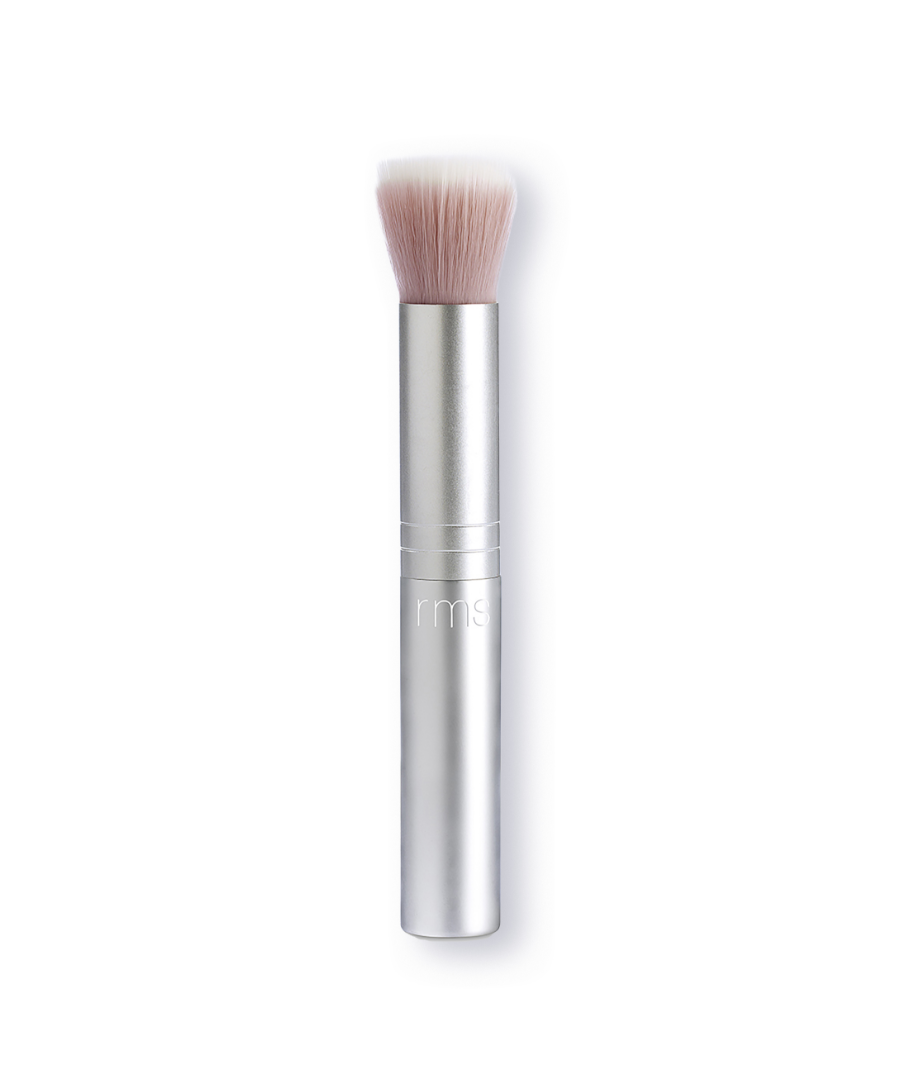

Skin2Skin Blush Brush