Skip to main content


Clean Beauty Certifications Explained: What PETA Cruelty-Free, PACT, and Ingredient Disclosure Actually Mean
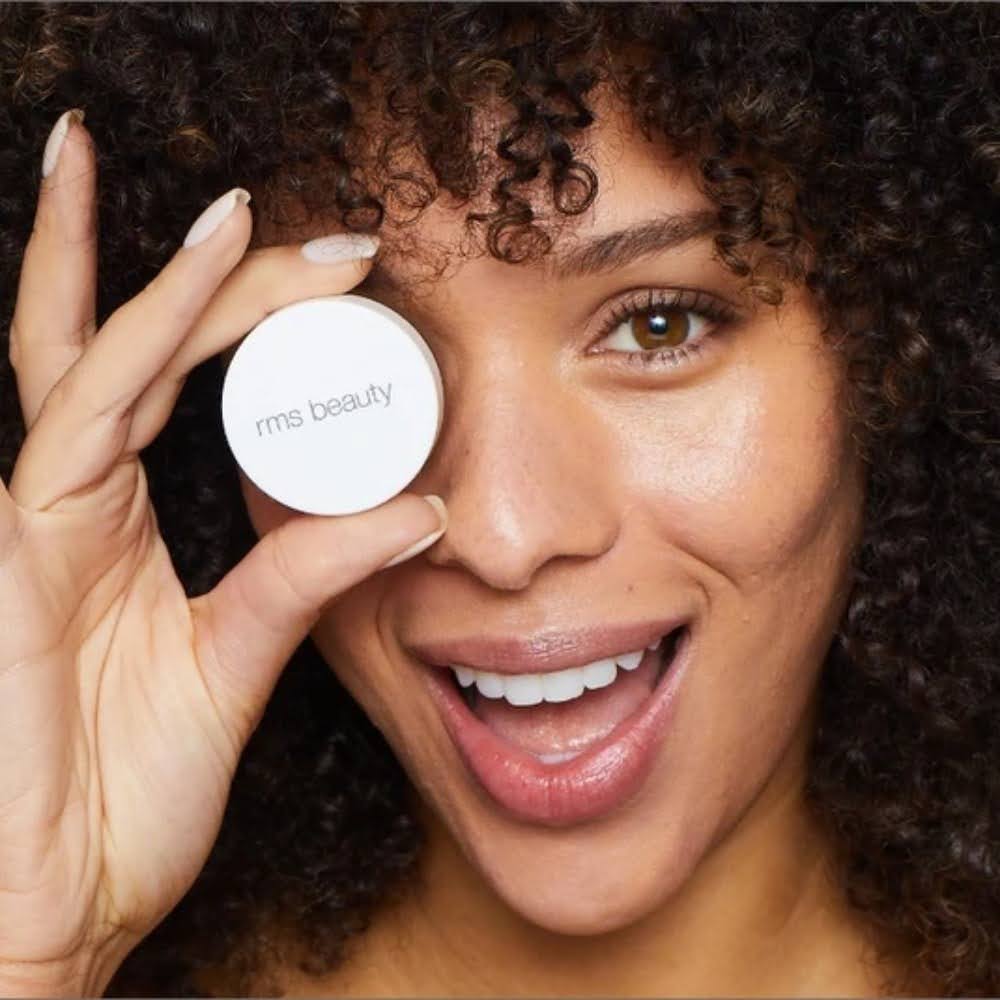
terms like "natural," "safe," and "conscious" printed across packaging with zero accountability behind them. The gap between a marketing buzzword and a verified clean beauty certification is wide, and knowing how to spot the difference changes the way you shop.
We’ve held ourselves to a higher ingredient and ethics standard since 2009, long before clean was a selling point. Rather than leaning on vague language, we back up our philosophy with third-party verification, measurable ingredient policies, and active partnerships.
Why "Clean" Alone Isn't a Certification
The word "clean" appears on thousands of beauty products, but no regulatory body defines or enforces what it means. Knowing the difference between a claim and a certification helps separate brands with real standards from brands with good copywriters.
No Federal Definition of Clean in Cosmetics
"Clean beauty" is not a regulated term. The FDA does not define "clean," "natural," or "safe" in the context of cosmetics. A brand can label a product as clean without meeting any external standard.
Marketing Language vs. Third-Party Verification
A certification involves an outside organization auditing a company's practices and holding them accountable. A marketing claim does not. Certifications have enforcement mechanisms, including the ability to revoke a brand's status if standards slip.
What to Look for When You Shop
When evaluating clean beauty certifications, look for three things:
- A named certifying organization (not just a logo the brand designed)
- Publicly available criteria you can read yourself
- A verification process the brand must pass, not just apply for
What PETA's Global Beauty Without Bunnies Program Actually Verifies
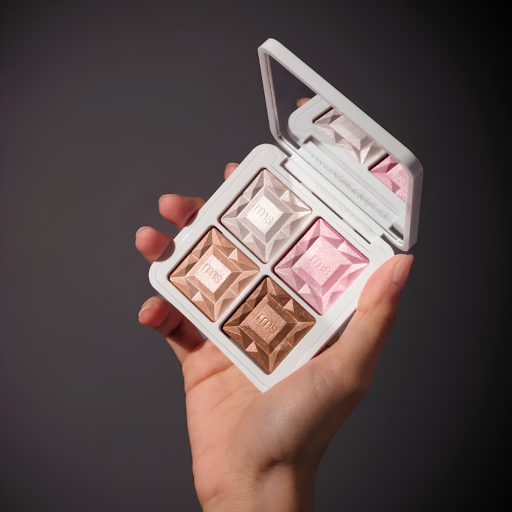
PETA's Global Beauty Without Bunnies is one of the most recognized cruelty-free certification programs in beauty, with more than 5,600 companies listed. RMS Beauty is a member in good standing of this program, covering every product in the line such as the clean mascara to our Luminizer.
How the Certification Process Works
Companies must sign PETA's statement of assurance, verifying that neither they nor their ingredient suppliers conduct, commission, or allow any tests on animals. The certification applies to ingredients, formulations, and finished products globally.
Animal Test-Free vs. Animal Test-Free and Vegan
PETA offers two certification tiers:
- Animal Test-Free confirms the company and its suppliers do not test on animals anywhere in the world.
- Animal Test-Free and Vegan requires the same commitment, plus the entire product line must be free of animal-derived ingredients such as beeswax, honey, or carmine.
RMS Beauty carries the Animal Test-Free designation. Some products do contain certified organic beeswax, which means the brand qualifies as cruelty free makeup but not fully vegan across every formula.
What the PETA Bunny Logo Guarantees
PETA's bunny logo on a product confirms the company has passed PETA's verification process. Brands that fall out of compliance can have their listing removed. The logo is not self-applied; companies must earn and maintain the right to display it.
How PACT Collective Membership Tackles Beauty Packaging Waste
Packaging waste is a growing concern for anyone buying natural products for face cleansing, color cosmetics, or skincare. Most beauty packaging ends up in landfills because components are too small, too mixed-material, or too complex for curbside recycling. PACT Collective was created to address that problem, and RMS Beauty is a member.
The Take-Back Program for Hard-to-Recycle Empties
PACT Collective is a nonprofit founded by industry leaders to collect and responsibly recycle beauty packaging that curbside programs reject. Caps, pumps, sample containers, and compact components all qualify. PACT partners with specialty recyclers to process these materials rather than sending them to landfill.
In-Store Drop-Off Bins and Mail-In Options
PACT's collection bins are available in over 3,300 retail locations across the U.S., including major beauty retailers. Consumers can also use mail-in recycling options.
What Membership Signals About a Brand's Commitment
PACT members agree to the Pact Accord, committing to transparency, sharing packaging data, and working toward meaningful improvements in packaging design.
| Verification Area | What Gets Verified | Who Verifies | How RMS Beauty Qualifies |
|---|---|---|---|
| PETA Global Beauty Without Bunnies | No animal testing on ingredients, formulations, or finished products worldwide | PETA (third-party nonprofit) | Member in good standing, Animal Test-Free certified |
| PACT Collective | Commitment to packaging waste reduction, recycling infrastructure, and data sharing | PACT (nonprofit collective) | Active member, products designed with recyclable glass and PCR materials |
| Ingredient Disclosure | Full transparency on every ingredient, including fragrances and sourcing | Self-regulated (no universal standard exists) | 2,700+ excluded ingredients, full public ingredient glossary, EWG ratings of 3 or lower |
Reading an Ingredient List the Way You Read a Certification
No third-party body certifies ingredient transparency in the same way PETA certifies cruelty-free status. That makes a brand's own disclosure practices the most direct signal of how seriously a company takes clean formulation.
Full Disclosure vs. Selective Transparency
Some brands list "key ingredients" while leaving dozens of others off marketing pages. Full disclosure means publishing every single ingredient, including fragrances, preservatives, and colorants. RMS Beauty lists every ingredient in each product on its ingredient glossary, including sourcing details and certifications for individual components.
Why Voluntary Banned Ingredient Lists Matter
The United States currently bans approximately 30 ingredients from personal care products. RMS Beauty maintains a list of over 2,700 ingredients it chooses not to use. A voluntary restricted list signals a brand's internal standard, not just compliance with baseline regulation.
When shopping for a hydrating primer, a multitasking cream blush, or a powder blush, checking excluded ingredient counts against the federal baseline gives you a fast measure of how far beyond the minimum a brand goes.
How RMS Beauty Approaches Ingredient Disclosure
RMS Beauty's formulation standards include the following commitments:
- Every ingredient, including fragrances (never synthetic), is publicly disclosed
- Any synthetic ingredient must meet EWG safety ratings of 3 or lower and comply with EU, FDA, and international regulations
- Patch testing and toxicologist safety assessments are conducted on every ingredient and its percentage
Where to Buy Certified Cruelty-Free Makeup Online and In Stores
Once you've verified a brand's certifications, the next step is knowing where to buy natural beauty products from trusted retailers.
Shopping Directly on rmsbeauty.sbs
The full selection of RMS Beauty products, including all shades and formulas, is available at rmsbeauty.sbs. The site includes full ingredient lists, product education, and Artist Advice consultations.
Verified Retail Partners for In-Store Access
RMS Beauty is available at select retailers across the U.S., including Bluemercury, Ulta, and Anthropologie locations. In-store shopping lets you swatch and test cruelty-free makeup before purchasing.
Confirming a Retailer's Clean Beauty Standards
Look for retailers that carry PETA-certified brands, offer PACT Collective drop-off bins, and publish their own clean beauty criteria. A retailer's standards should complement the brand's own clean beauty certifications.
Final Thoughts
Clean beauty certifications are not decoration. PETA's Global Beauty Without Bunnies, PACT Collective membership, and transparent ingredient disclosure each verify a different dimension of a brand's values. Reading a label with that framework makes shopping simpler and more intentional.
RMS Beauty has carried these commitments since 2009, well before they became industry talking points. Every product is formulated with clean ingredients, certified cruelty-free by PETA, and packaged with recyclability in mind.
Frequently Asked Questions
Is RMS Beauty actually cruelty-free?
Yes. RMS Beauty is a member in good standing of PETA's Global Beauty Without Bunnies program, which verifies that neither the brand nor its suppliers test on animals anywhere in the world.
What certifications should I look for in clean beauty?
Look for third-party certifications like PETA's Global Beauty Without Bunnies for cruelty-free status, and check whether a brand belongs to PACT Collective for responsible packaging. A voluntary banned ingredient list is an equally important indicator.
Where can I buy RMS Beauty in stores?
RMS Beauty is available at Bluemercury, Ulta, and Anthropologie locations across the U.S. The full product range is also available online at rmsbeauty.sbs.
Does cruelty-free mean vegan?
Not always. "Cruelty-free" confirms no animal testing occurred. "Vegan" means no animal-derived ingredients are used. RMS Beauty is cruelty-free certified, but some products contain organic beeswax, so the full line is not classified as vegan.
What is PACT Collective and how does it work?
PACT Collective is a nonprofit that collects hard-to-recycle beauty packaging, like caps, pumps, and compact components, and sends them to specialty recyclers. Drop-off bins are available in over 3,300 retail locations across the U.S.
How many ingredients does RMS Beauty ban?
RMS Beauty excludes over 2,700 ingredients from its formulations. For context, the United States currently bans approximately 30 ingredients from personal care products.
Shop The Blog


Straight Up™ Volumizing Peptide Mascara


Luminizer


Kakadu Beauty Oil